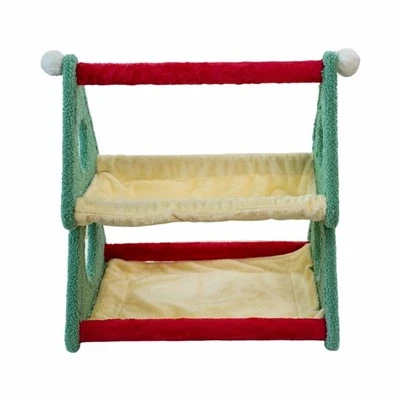
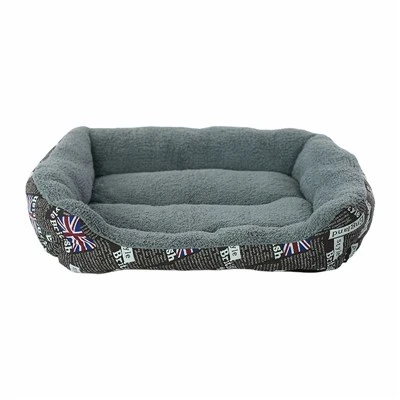
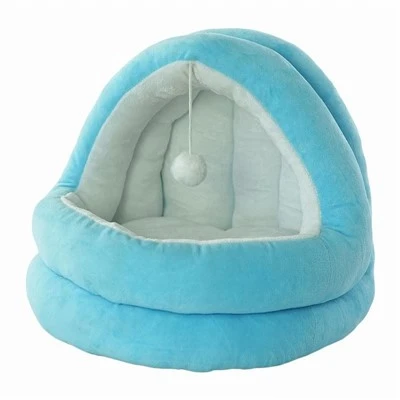
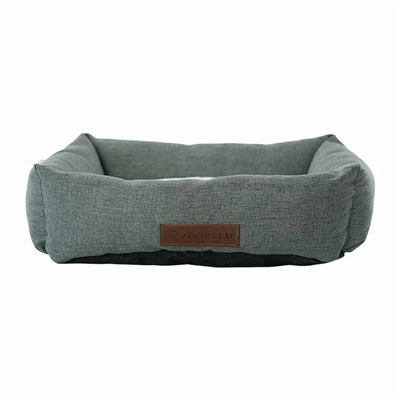
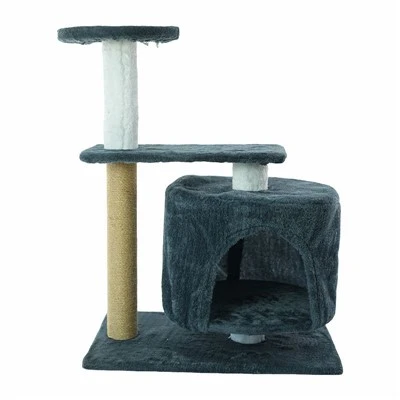
Cats' favorite daily activity is undoubtedly sleeping. They enjoy a variety of sleeping arrangements, such as on the floor, on a table, or even on our laps. When it comes to choosing a sleeping spot, cats primarily choose what's comfortable; there's no fixed spot. Therefore, when designing a cat bed for a cat, comfort is paramount. Cat beds are increasingly being designed in a variety of shapes, and some newer models are more than just a bed.
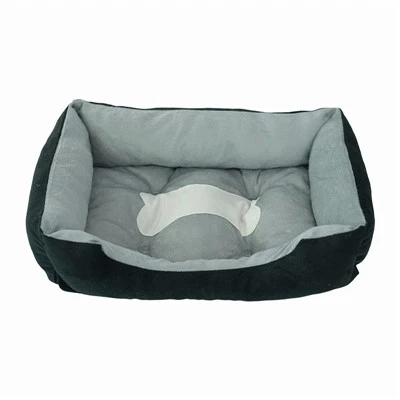
Choose a cat bed based on the season. Don't assume that just because it's soft, your cat will love it. In the summer, use a rattan or straw basket; cats will feel cool and comfortable. In the winter, cotton or fleece should be used; they're both soft and warm, ensuring a restful sleep.
The placement of a cat bed is also crucial. It should never be placed under a window, as noise and unusual weather outside can disturb your cat. It's best to find a quiet corner where there's little traffic, allowing your cat to sleep peacefully.
Hygiene is paramount. Parasites are everywhere, and humans need to wash and air their bedding regularly, so cats are no exception. If they aren't regularly cleaned and aired with pet-specific disinfectants, cats can develop skin diseases from bacterial infections.
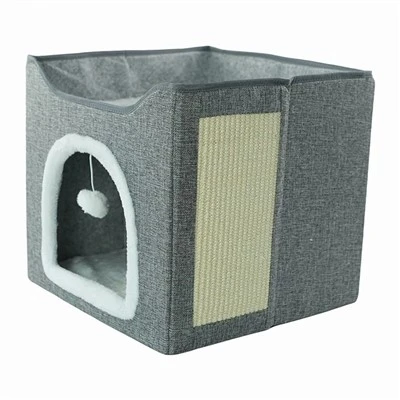
Today's exquisite and comfortable cat beds not only feature a hidden interior space for cats' "secret bases," such as a small staircase-like cat bed with drawers in the front for storing small items and a hidden small nest in the back. Owners can place the small staircase bed next to the bed, making it easy for older cats with less agility to get up and cuddle with their owners.
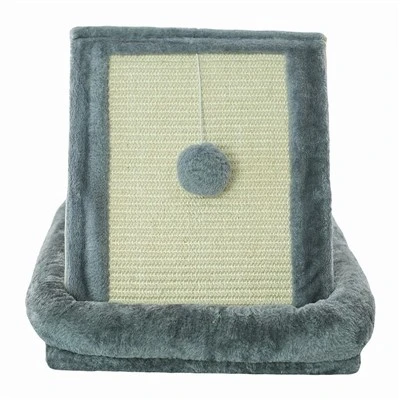
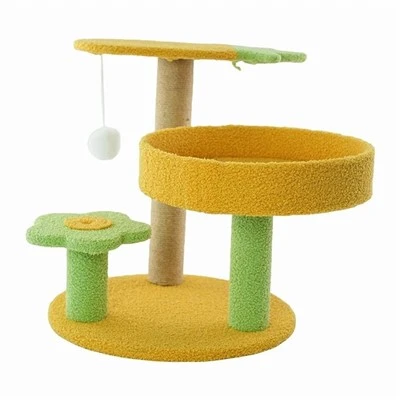
Additionally, a small observation platform is essential to cats' every need for roaming. Some designers, deeply understanding cat habits, have thoughtfully installed scratching posts next to the bed for cats to sharpen their claws, ensuring a happy day. This design approach isn't just appealing to cats; it also takes human needs into consideration. A cat bed can double as a nightstand. Simply buy a small, drawer-equipped bed next to your bed, and you'll have both a nightstand and a place for your beloved cat to sleep by. What a blessing!
Japan is always at the forefront of everyday product design, taking IKEA's cat beds for example, even though IKEA officially doesn't develop pet products. The Duktig was originally designed as a bed for children's dolls. The simple model costs 2,299 yen (US$20), but it seems wasteful to buy a bed for a lifeless stuffed animal. So, let's consider this alternative: savvy Japanese pet owners use this bed for their cats.
Duktig beds typically come with a thin sheet, but most pet owners prepare small furnishings specifically for their kitties, decorating the bed with extra linens and blankets.
Even though it wasn't originally designed for cats, the bed's design demonstrates a variety of humanistic touches. There was a notch on the edge of the frame where a paw could have been placed, but the cat used it to place its tail, which was perfect.